
Kaziranga National Park is one of India's top wildlife destinations, known for its large population of one-horned rhinos and easy, up-close wildlife sightings. Between the abundant animals and the open grassland landscapes, it's also an amazing place to hone those photography skills.
If you're heading to Kaziranga and want to make the most of your safaris (and actually come away with some great photos too), here's what to expect - and a few things that helped me along the way.
The Four Ranges of Kaziranga
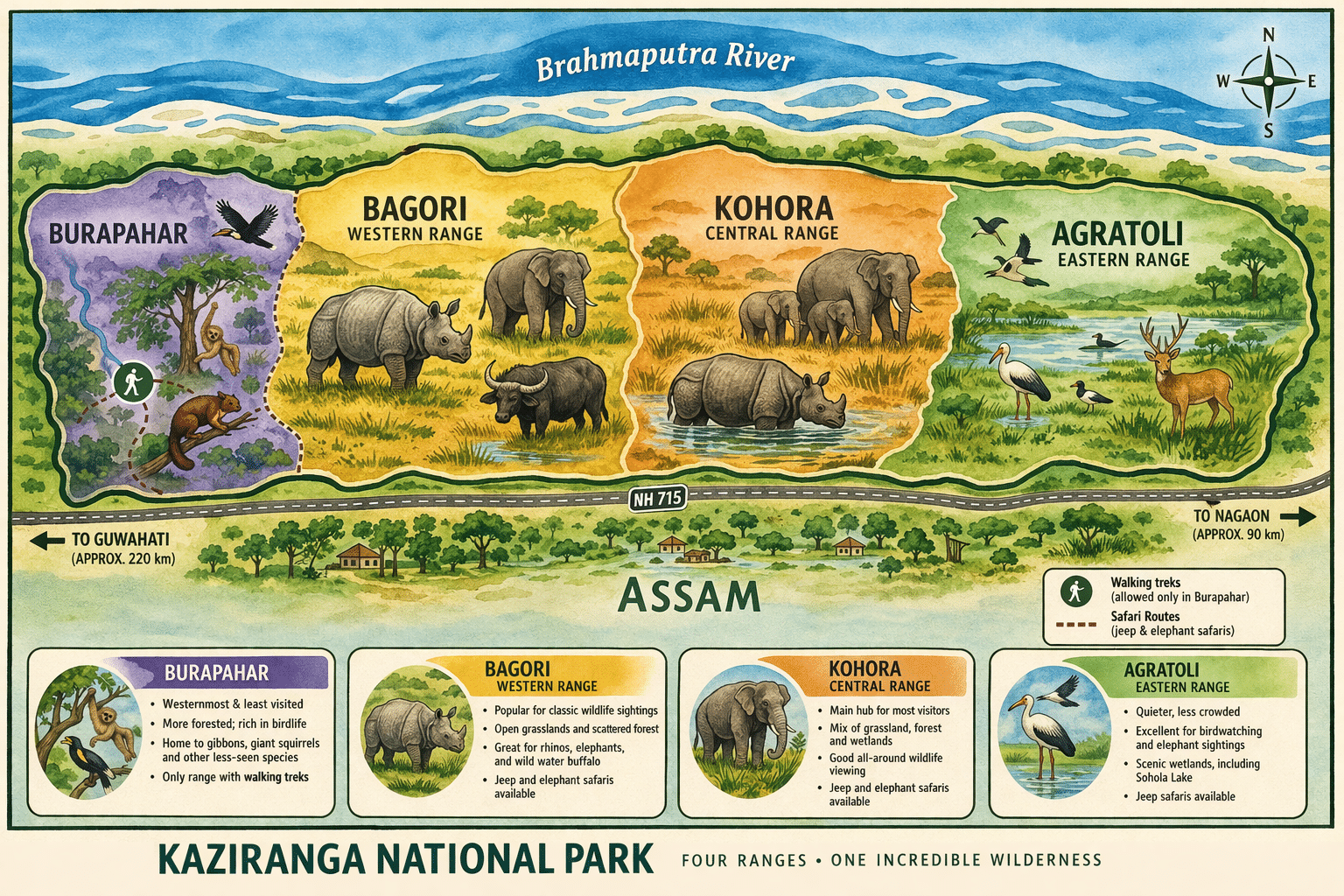
The Western Range (Bagori) is one of the most popular areas for safari drives, and for good reason. This is a great spot for those classic Kaziranga sightings - rhinos out in the grasslands, elephants moving through the distance, and water buffalo looking appropriately prehistoric. The terrain here feels nice and open in many areas, which can make wildlife a bit easier to spot.
The Central Range (Kohora) is another of the park's main safari zones and is often the most convenient choice for visitors staying near the main tourist area. It offers a similar mix of grassland scenery and large animal sightings, and it's a solid all-around option if it's your first time in Kaziranga. If you only have time for one safari, this is often the most straightforward place to start.
The Eastern Range (Agratoli) tends to be quieter and a little less busy, which gives it a different vibe altogether. It's especially appealing for bird lovers and for anyone who enjoys a more peaceful safari experience. The wetland scenery out this way is beautiful, and it feels a bit more serene than the busier central zones.
Then there's Burapahar, the least visited of the four ranges and probably the most different. This area is more wooded and feels a little wilder and more off-the-beaten-path. It's known for birdlife and for species you're less likely to see elsewhere in the park, and it's also the only range where walking treks are allowed.
For most visitors, the best strategy is not to overthink which single range is "best," but rather to try at least two if your schedule allows. For most visitors, you should check out the Western and Central ranges, and then add more if you still have plenty of time to spare. That way you get a fuller feel for the park and give yourself a better shot at seeing a wider variety of wildlife. Check out my full Kaziranga trip guide for more help planning your itinerary.
Planning Your Safaris
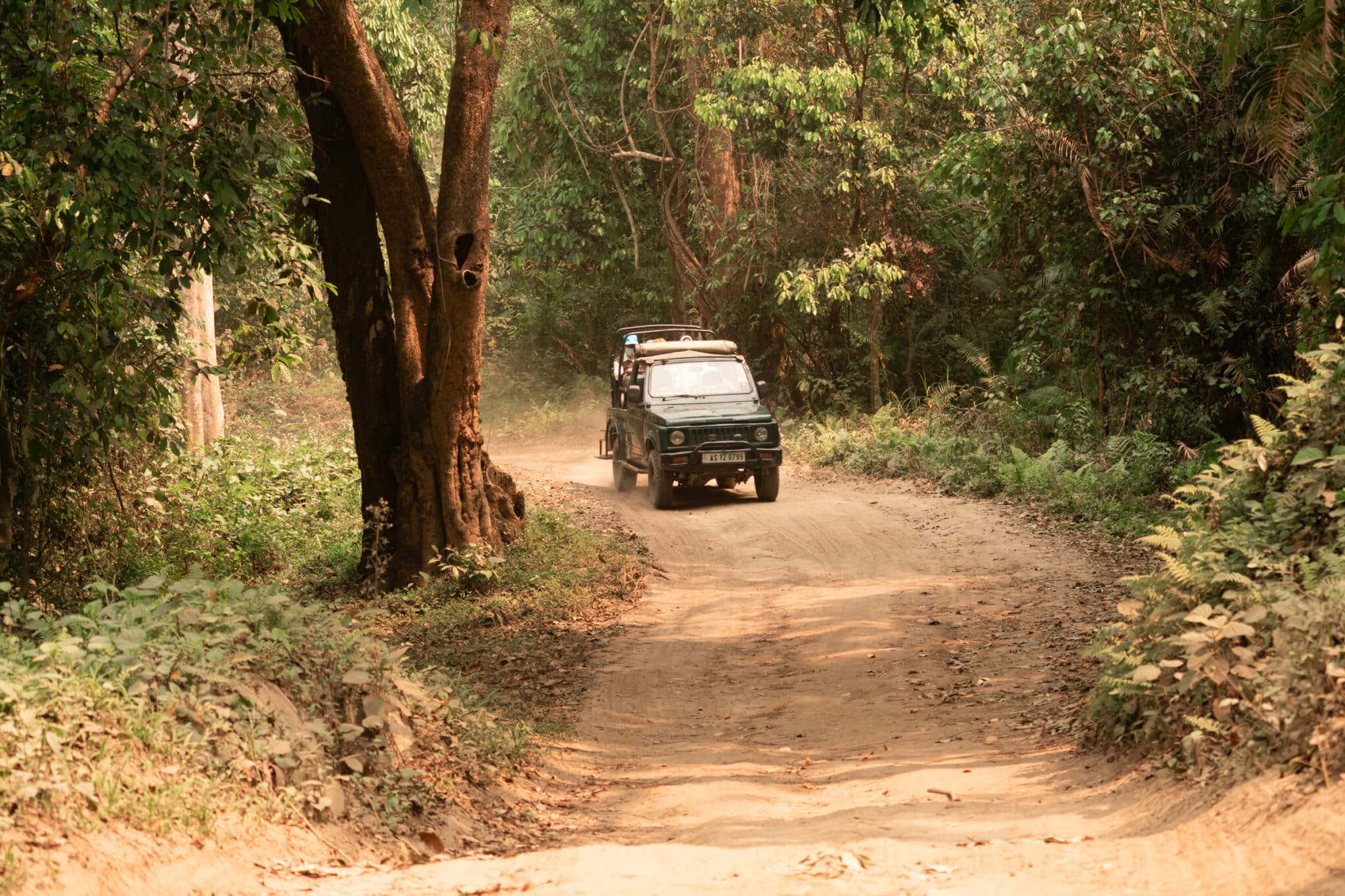
Park entry is highly regulated, with limits on the number of guests at any given time, in order to preserve the natural area and the wildlife that inhabit it. There are set morning and afternoon time periods when the jeeps may enter the park, and they all must be out well before dark. These times can shift throughout the year depending on sunrise/sunset times, so check with your hotel. During our visit, the morning safaris started between 7:30 - 8:30AM and the afternoon safaris went out around 1:30 - 2:30PM. Each safari drive is approximately two hours.
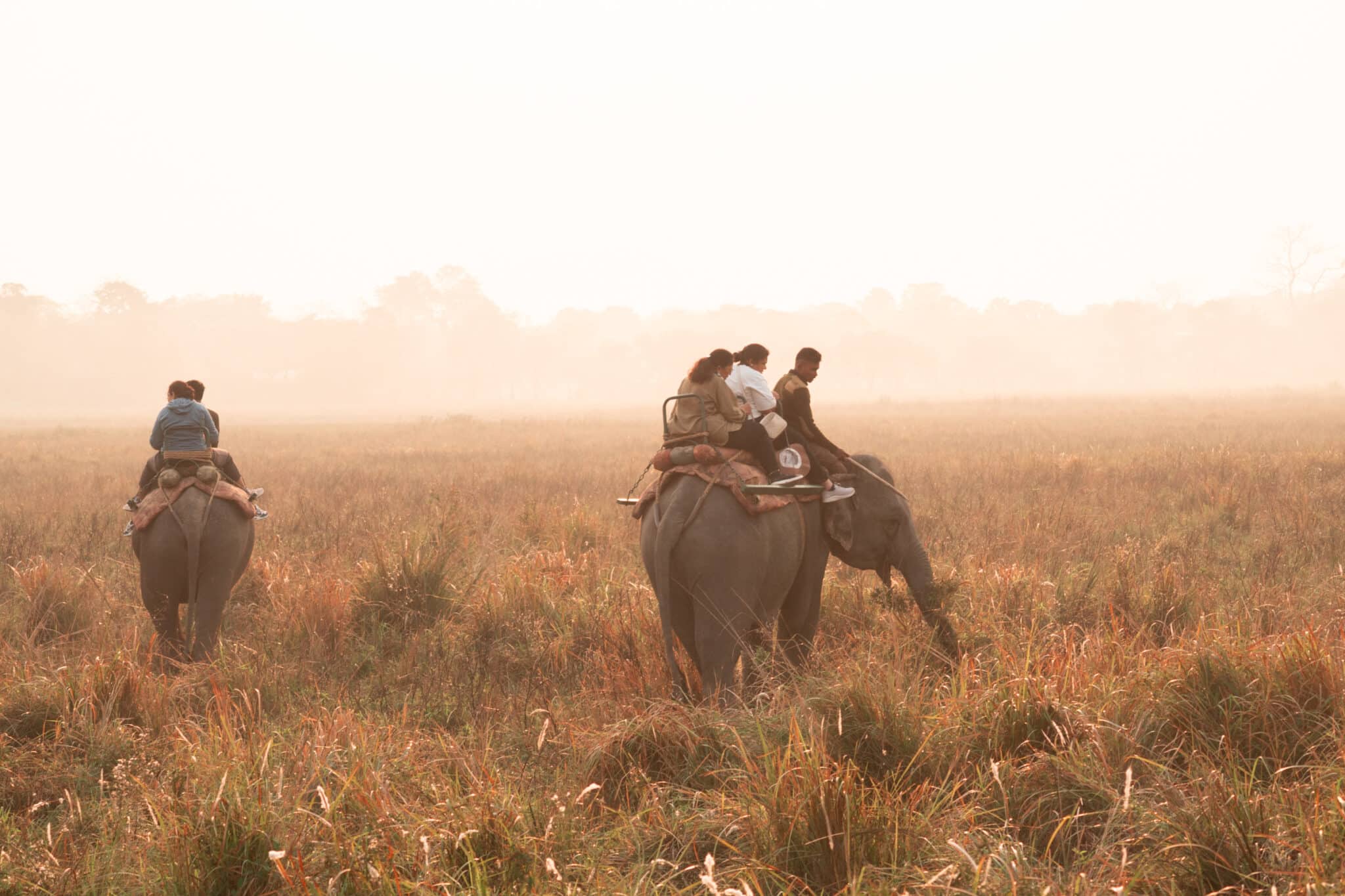
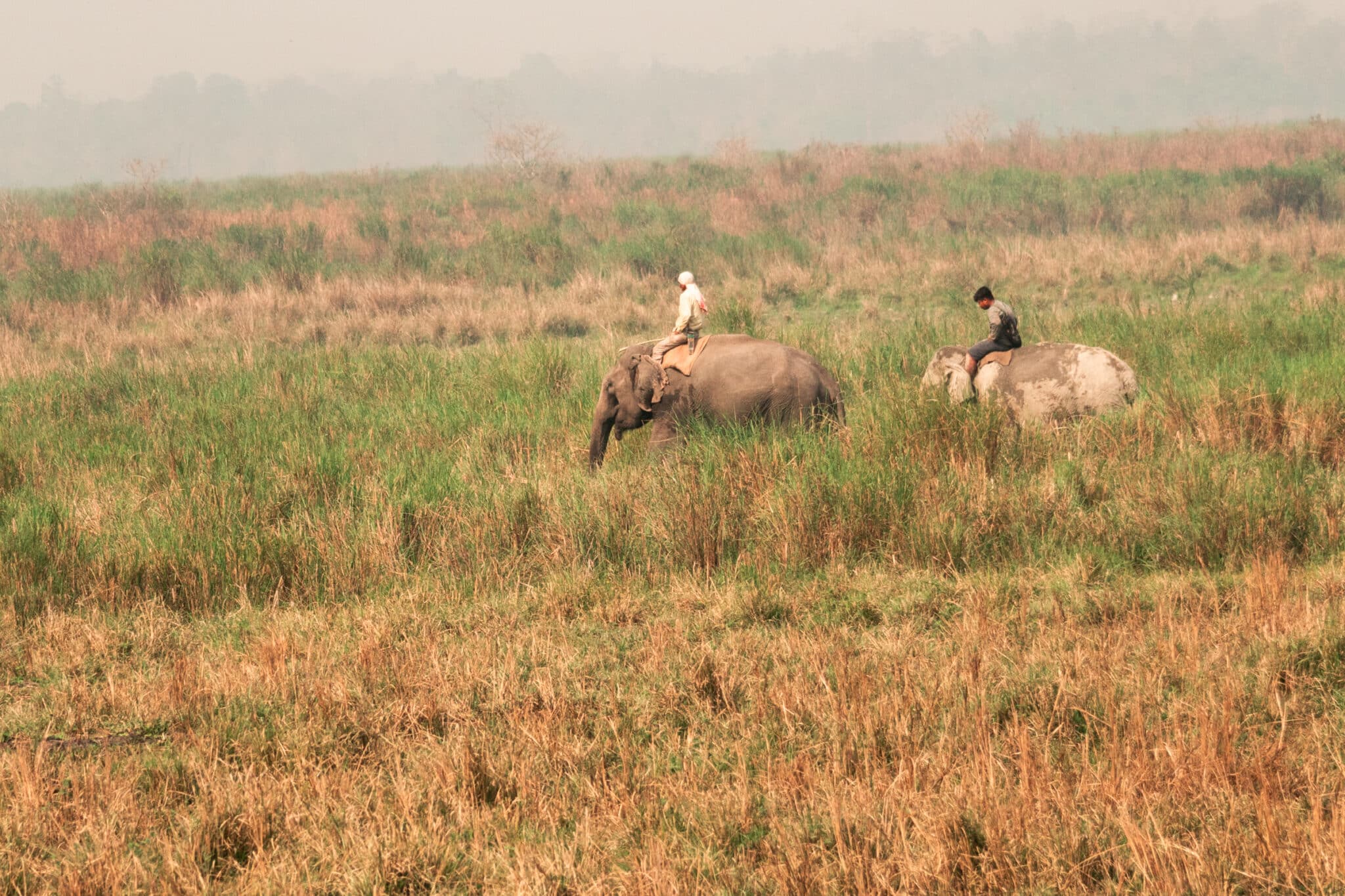
Note that there are also elephant safaris available, which can get you up close to the animals. These can be fun but not the best for serious photography due to the logistics of the whole thing. See more about that in my full trip guide.
I recommend planning 2-3 safari drives and making sure you see at least two ranges. Varying the locations and times can help ensure that you see more variety of wildlife, as different animals will be out and about at different times and in different areas of the park.
We personally did three safari drives. One was in the Western Bagori range and two were in the Kohora central range. We also varied the times - so two were morning drives and one afternoon. This gave us a really great varierty of wildlife and different types of photography opportunities.
While it is possible to book your own safaris, I strongly recommend having your hotel organize it for you. There is a significant language barrier, ever-evolving schedules, and a bit of disorganization that just make this ripe for errors. There are also numerous fake websites attempting to sell safari tickets to unsuspecting tourists. Your hotel exists to serve people visiting the park on safari, and they will make sure things go smoothly for you. We stayed at Hotel Borgos, and they did a great job organizing for us. You can read my full review of the hotel here.
The Wildlife at Kaziranga
Indian Rhinocerous
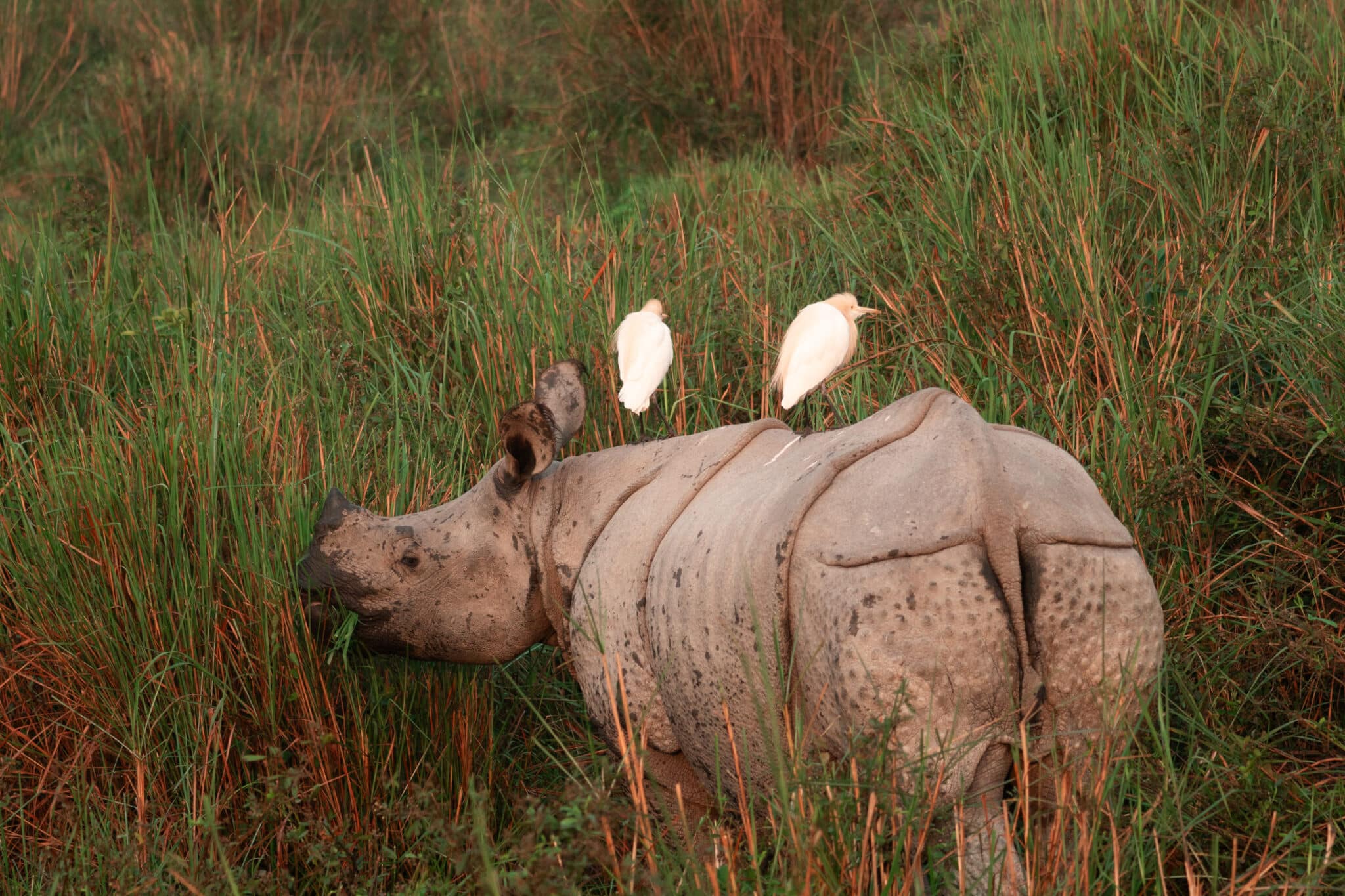
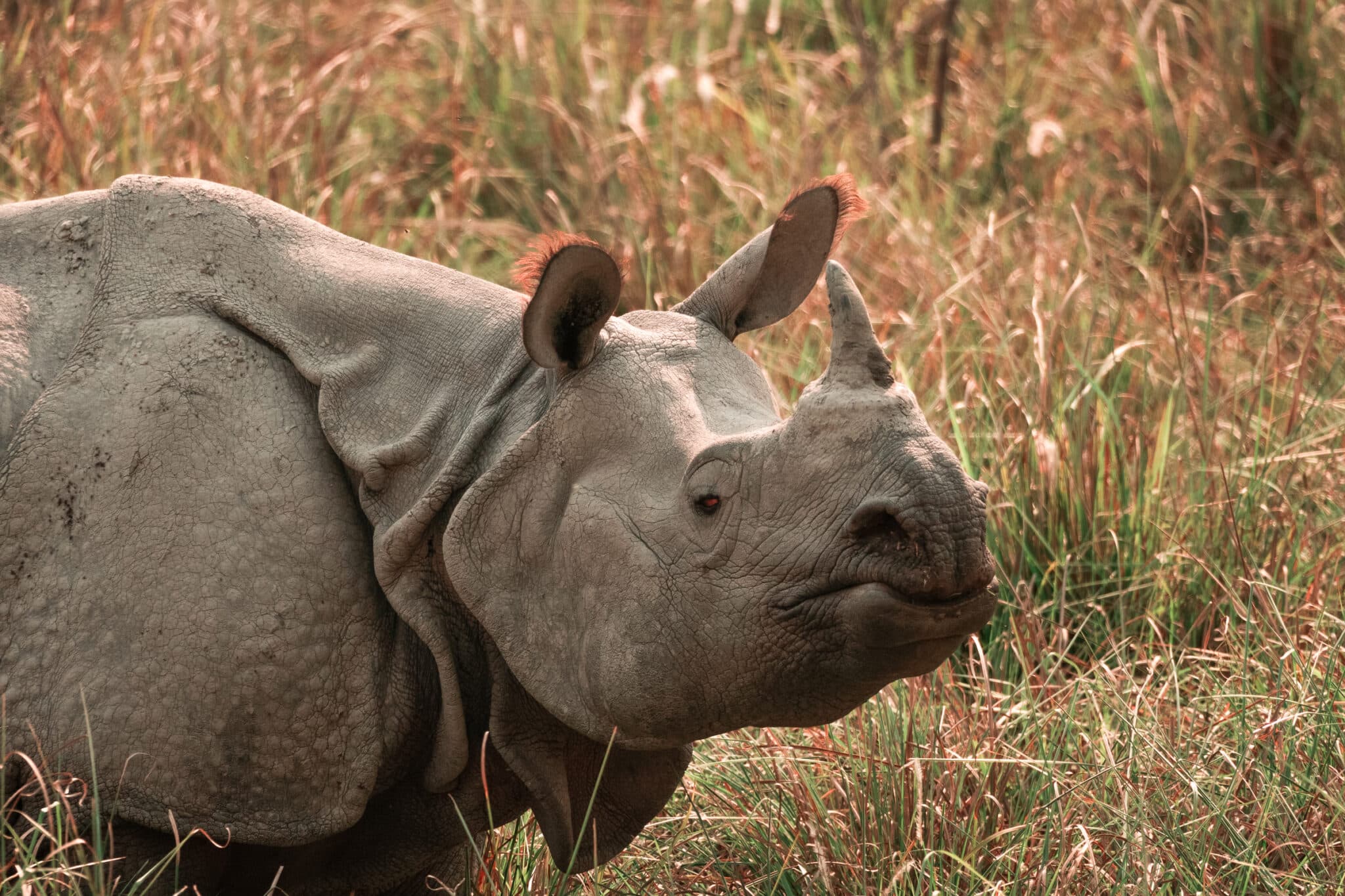
Also known as the Greater One Horned Rhino, these guys are the star of the show in Kaziranga! As an endangered species, there are only about 4,000 of them in the world - and nearly 70% of those are found right here in KNP.
They are the largest living rhino species, with the adult males weighing over two tons. And that single horn on their snout can grow to nearly two feet long! The only Asian land mammal larger than the rhino is the elephant.
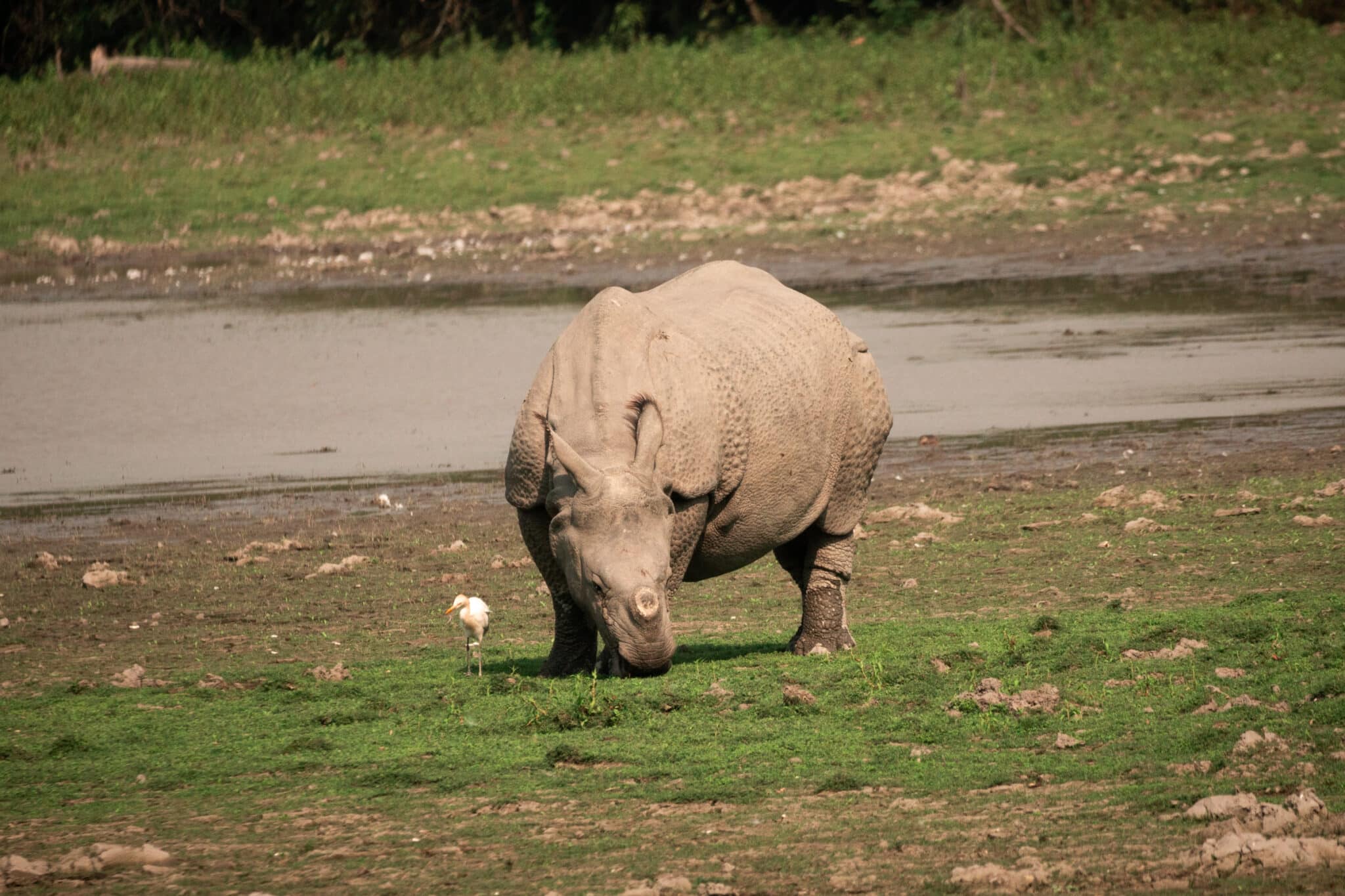
These guys are not hard to find as the herds are visible even from the roads at time. So you are virtually guaranteed to see the rhinos on your visit. Not seeing rhinos at Kaziranga would be akin to not seeing a bison at Yellowstone. And while they are easily visible from the roads, you can get even closer on an elephant safari.
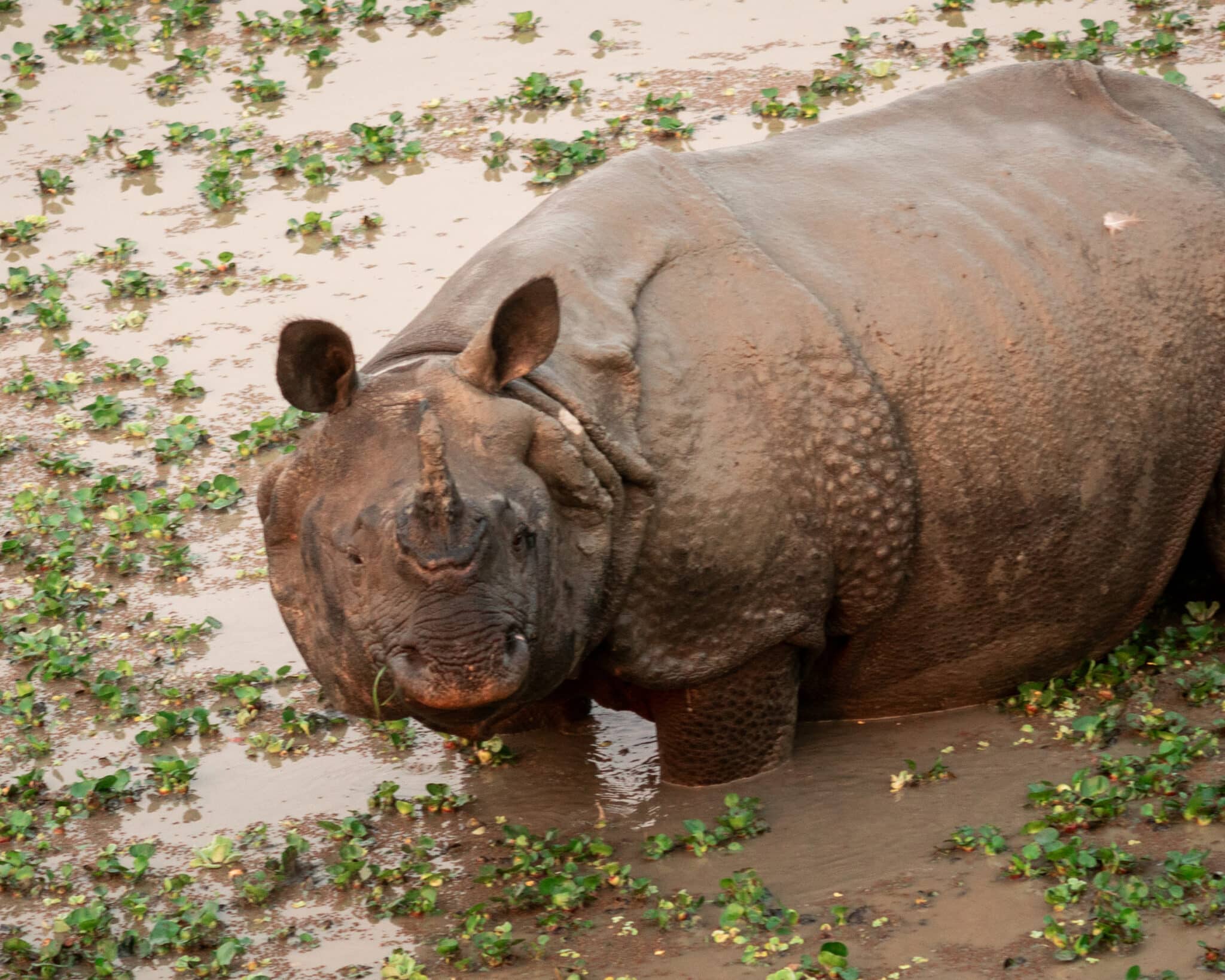
We especially loved seeing the rhinos in the water, where they like to submerge their bodies to cool off in the hot sun. So cool to see the mom and baby rhinos relaxing together in the water!
Asian Elephant
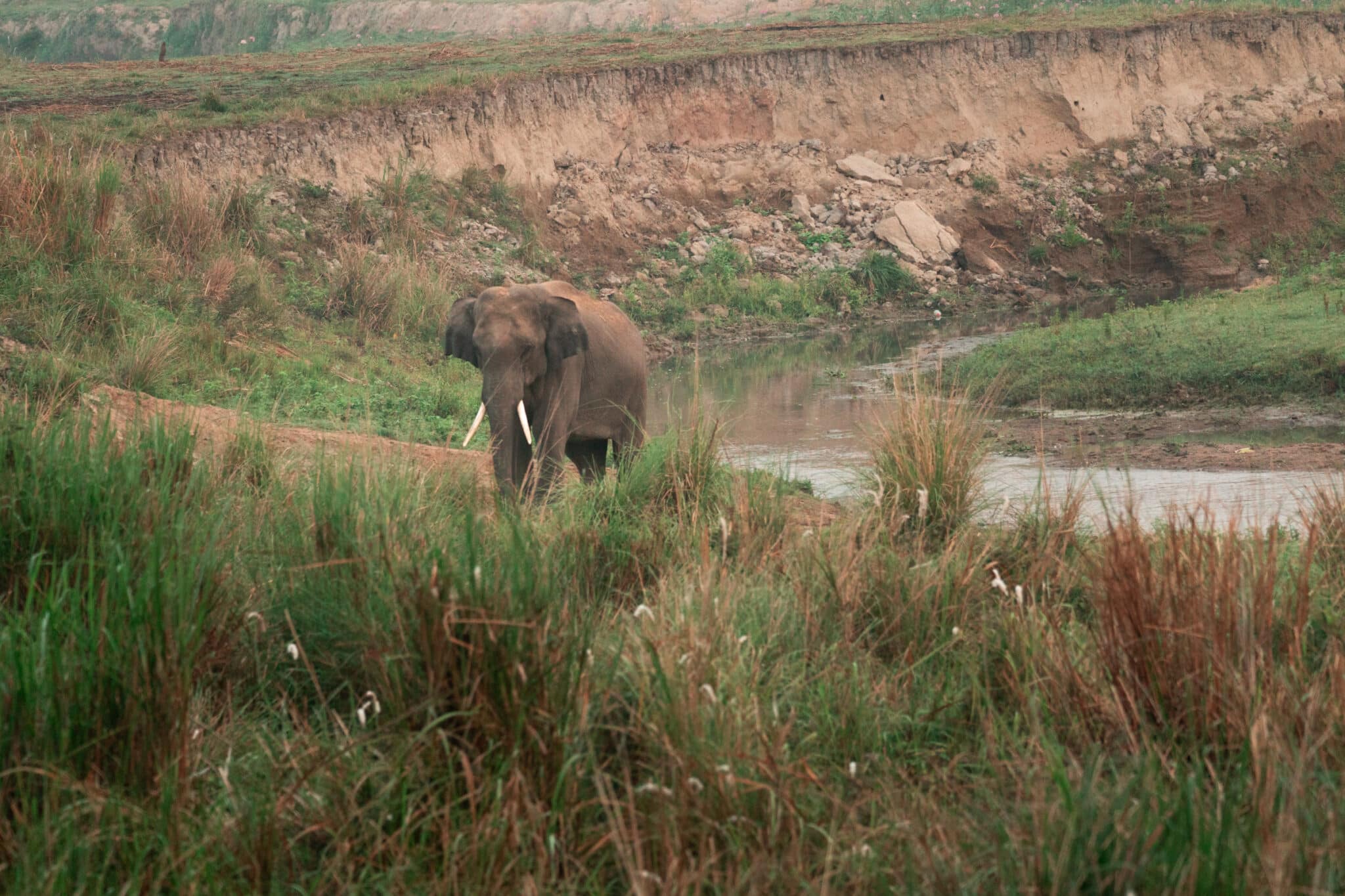
The only animal in the park that's larger than the Indian Rhino is the Asian Elephant! And they are amazing. I have been obsessed with elephants for a very long time, so seeing them up close in their own habitat was a real treat.
Asian elephants are a bit smaller than their African cousins and have smaller, rounded ears. But they are still absolutely massive. Adult males can stand up to 10 feet tall at the shoulder!
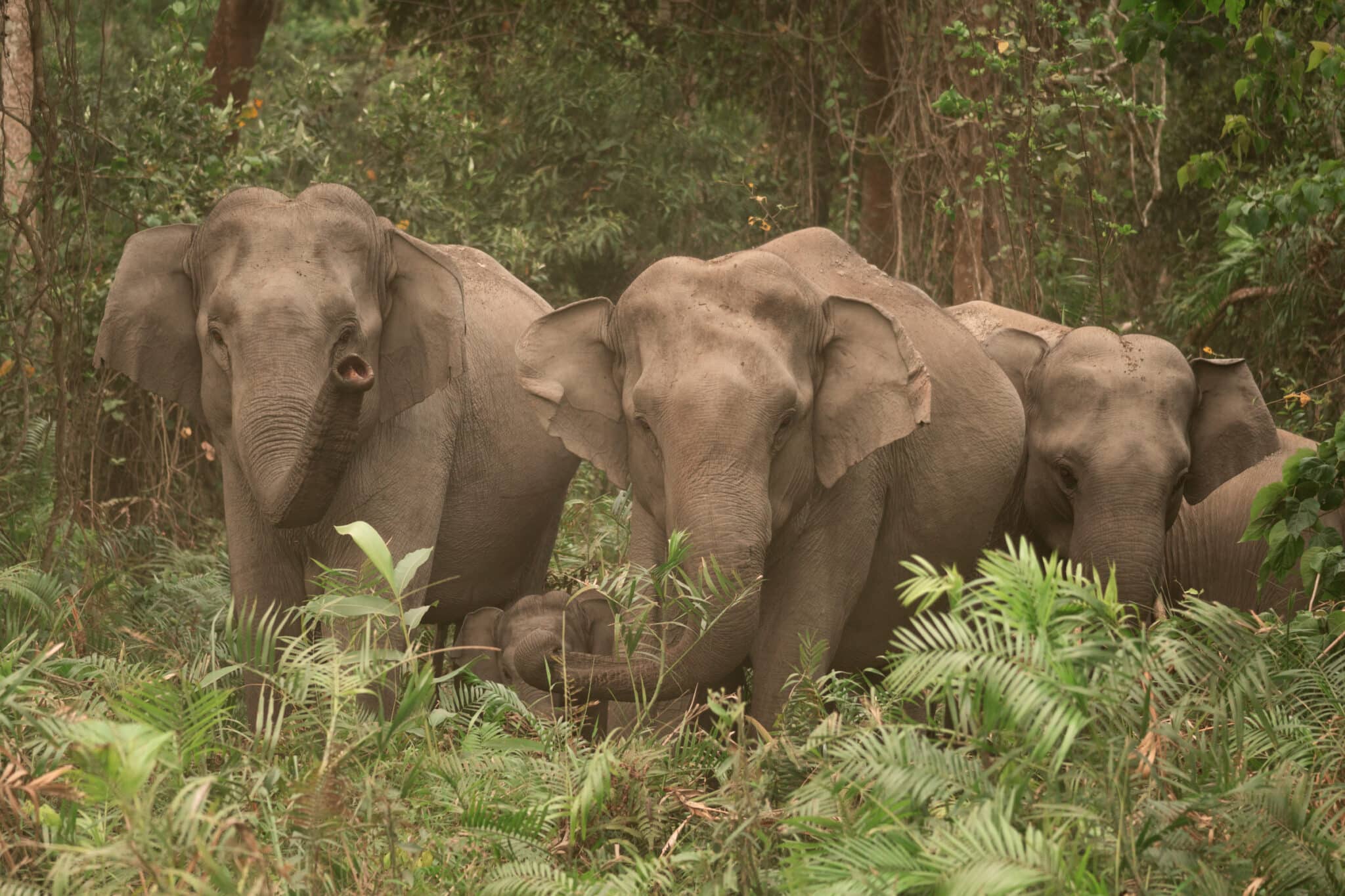
There majestic, super intelligent, and gentle (mostly!). They roam the park in small herds, often led by the matriarch. We were lucky enough to spot a whole family surrounding one of the baby elephants, and to pass another baby very close the road. They didn't seem to mind us stopping to admire them for a bit.
Water Buffalo
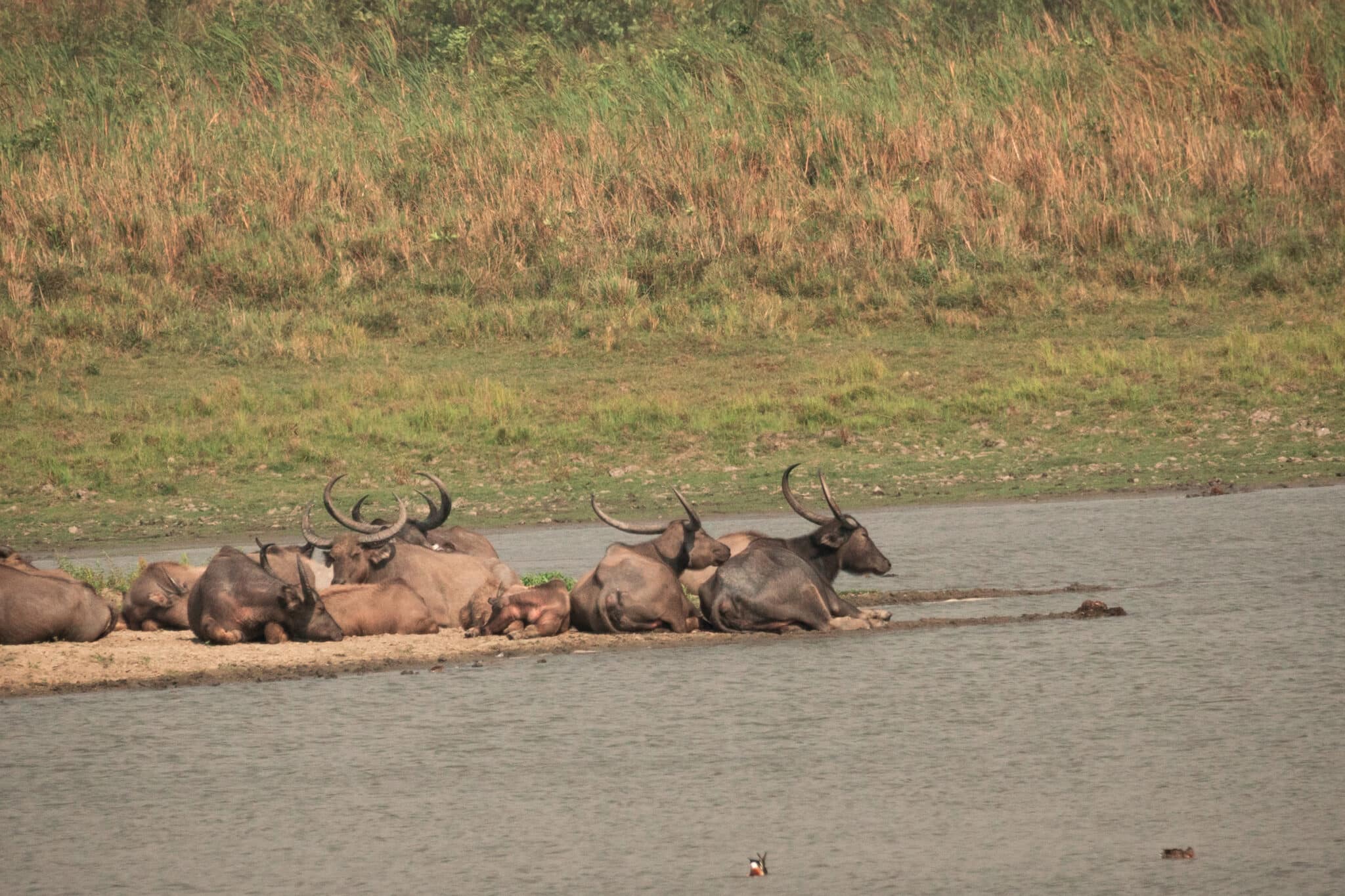
Now these guys are seriously impressive. The wild water buffalo are big, bulky, and have an air of don't-mess-with-me energy. And those massive horns! Their horns can span up to six feet across, curving out like wings on either side of their head. Totally wild, in every sense of the word.
You'll find them lounging in the mud or wading chest deep in the water, with their eyes and horns peeking out. And who can blame them? It's hot out there. Kaziranga's population is one of the last truly wild herds left in the world, which makes it feel like you're getting a glimpse of something ancient.
Swamp Deer (Barasingha)
The name Barasingha means "twelve tined", which refers to the impressive antlers on the males. They look like something out of a fantasy novel! They tend to be stockier than other deer with golden-brown coats. The females are much more delicate looking, but still just as beautiful.
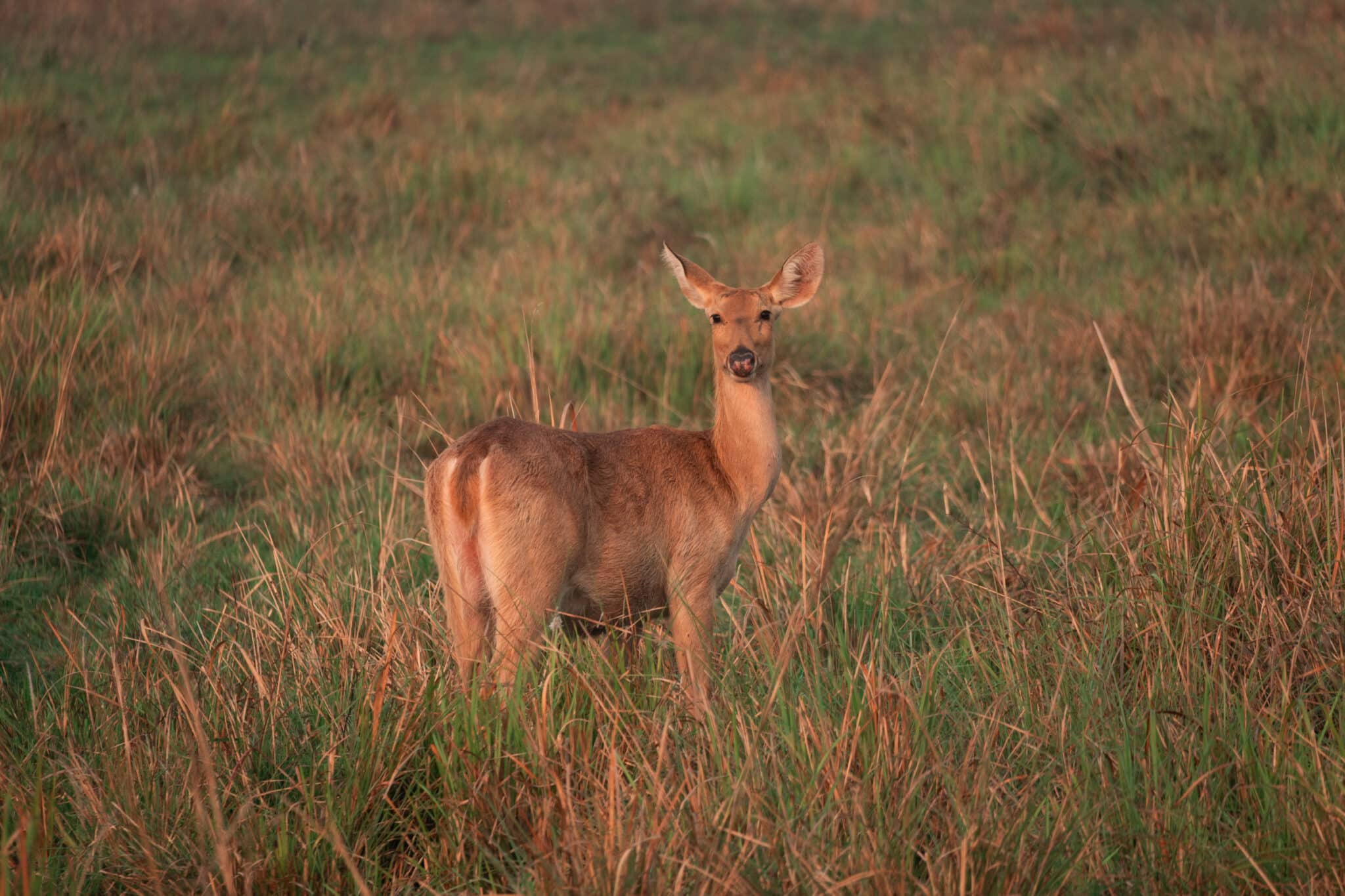
These deer are unique to India and very special in Kaziranga, where the population has made a strong comeback thanks to the park's conservation efforts. You'll find herds of them grazing in the fields. The males stand tall and guard the herd, while the rest of them munch away.
Bengal Tiger
Let's be honest - this is the one everyone secretly hopes to see. The Royal Bengal Tiger is elusive and can be very tricky to spot even when they're in the area. Most visitors to the park aren't going to spot one - and that's part of the magic. But it sure is fun to try. We enjoyed trying to track down tigers by looking for signs such as tracks in the dirt or claw markings on the trees. You can also listen for sounds of a tiger in the area, the forest goes nearly silent with the deer making a distinct call to warn the others.
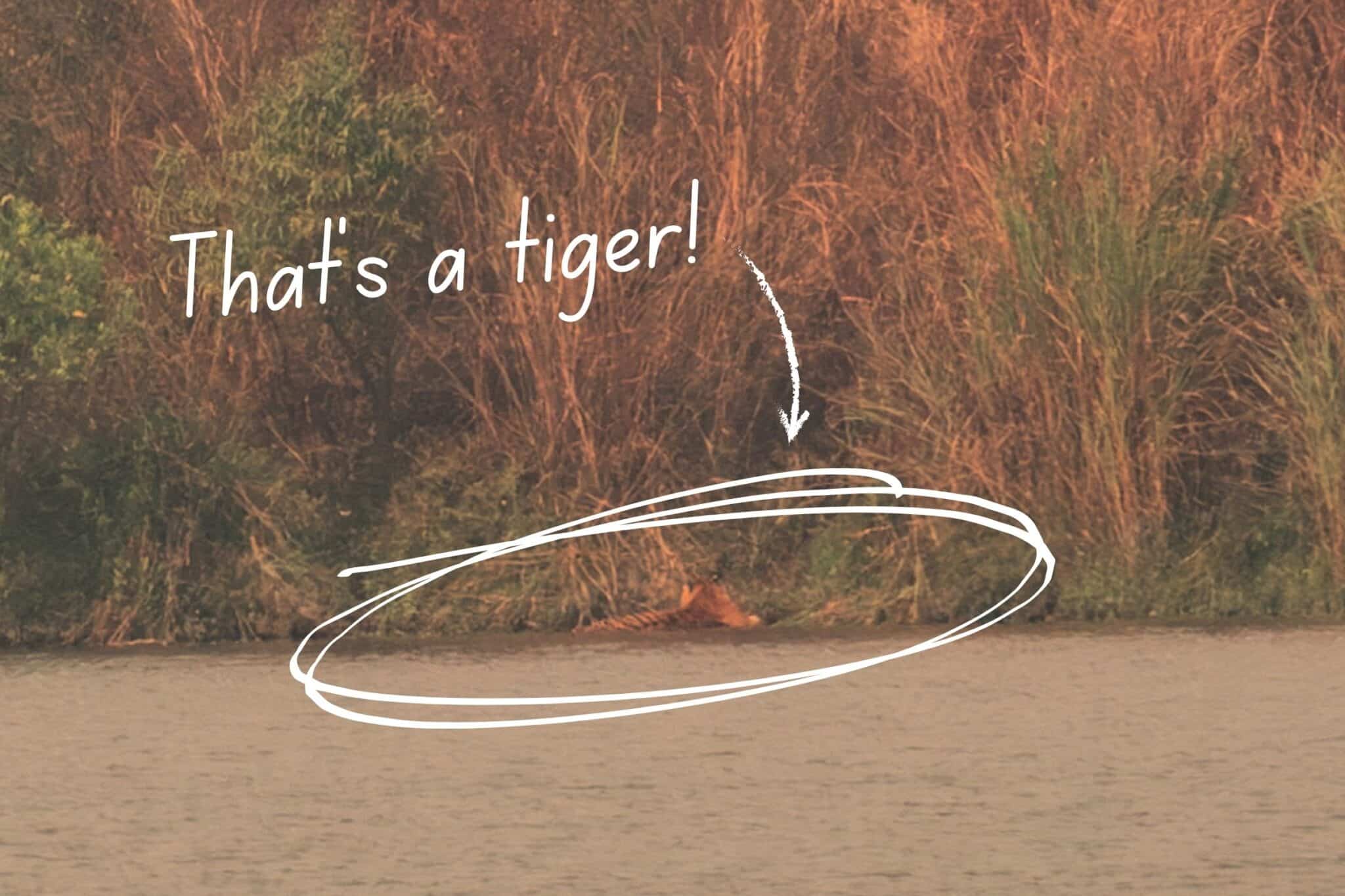
We had a sort-of tiger spotting on our third and final safari drive, but it was very far in the distance. We used a pair of binoculars and a long lens to zoom in on him and get a glimpse of the tiger lounging on the water's edge in the distance. But even with a very long lens, he was more of an orange blur. You would need some serious Nat Geo level equipment at that distance!
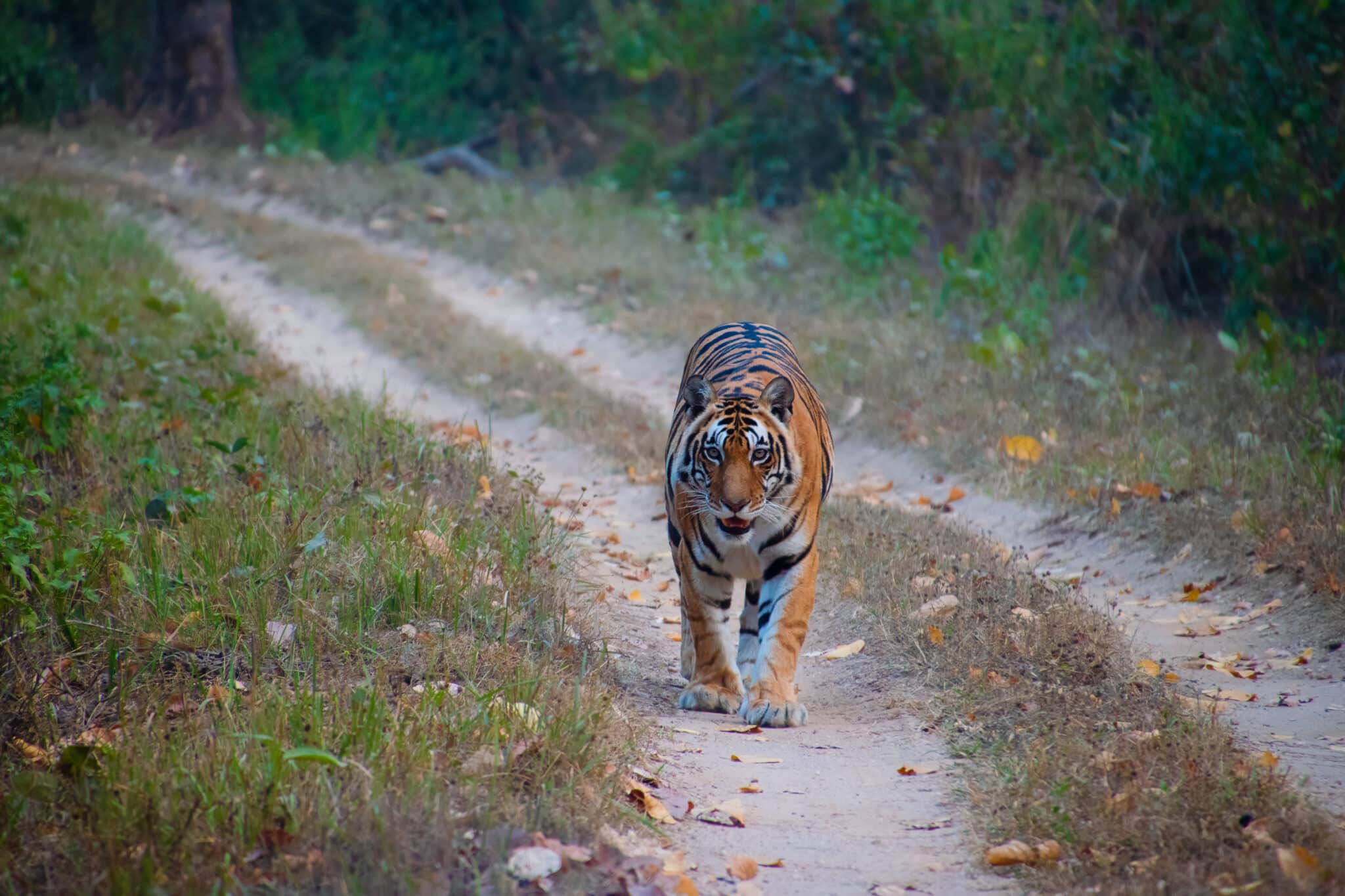
Despite our best efforts, we weren't able to find a tiger any closer up than that. But we were lucky enough to spot one on our previous safari in Kanha National Park! Here's some photographs evidence. It's amazing when it does happen.
Birds (so many birds!)
I'll be honest here, I'm not that into birds. Shhhh... don't tell the other photographers.
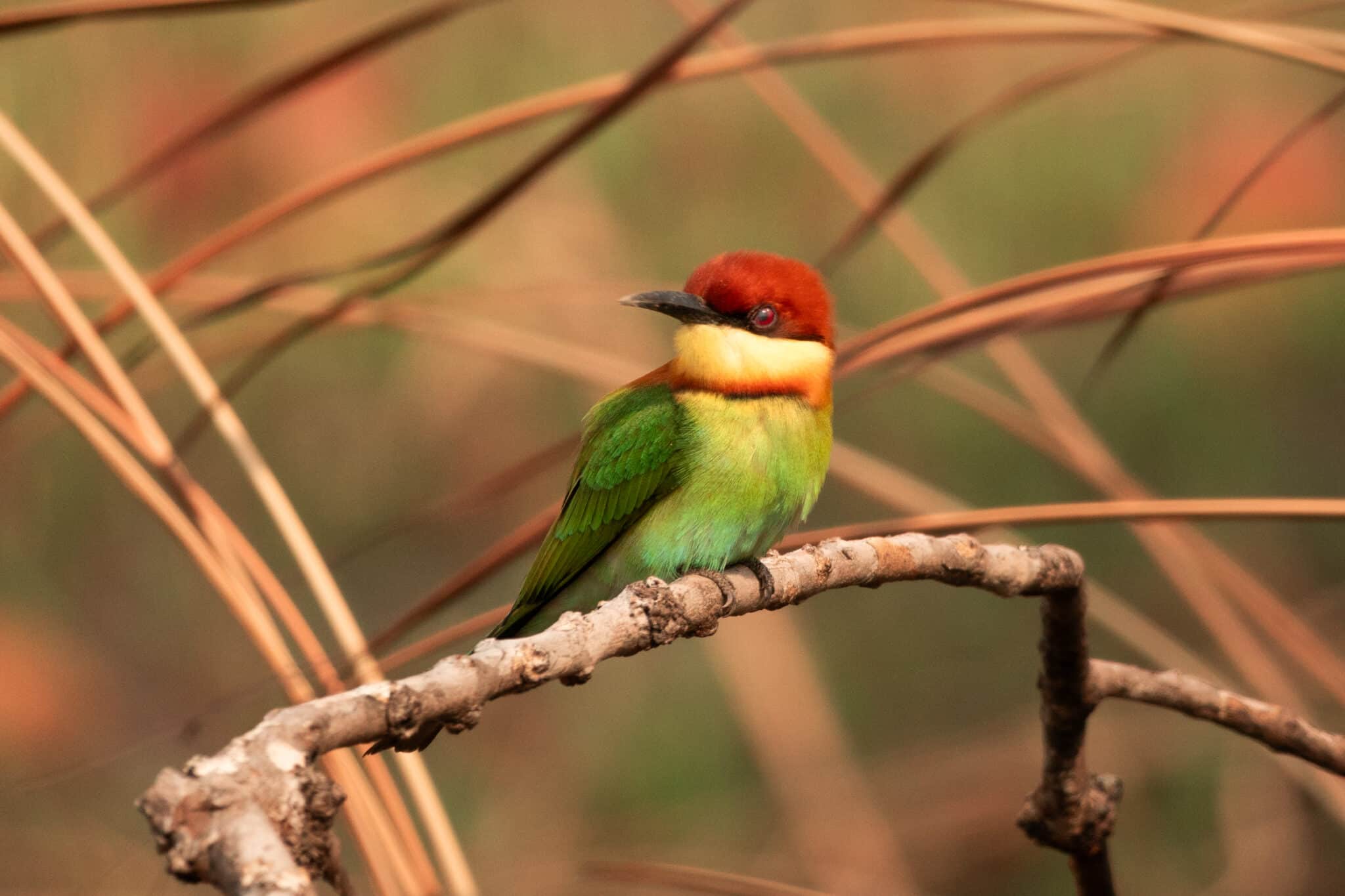
But if you're even slightly interested in bird photography, Kaziranga will blow you away. With over 480 species of birds recorded, it's one of the best birding locations in India. And you don't need to be a serious birder to appreciate them. We spotted a variety of birds including storks, kingfishers, hornbills, geese, vultures, and pelicans.
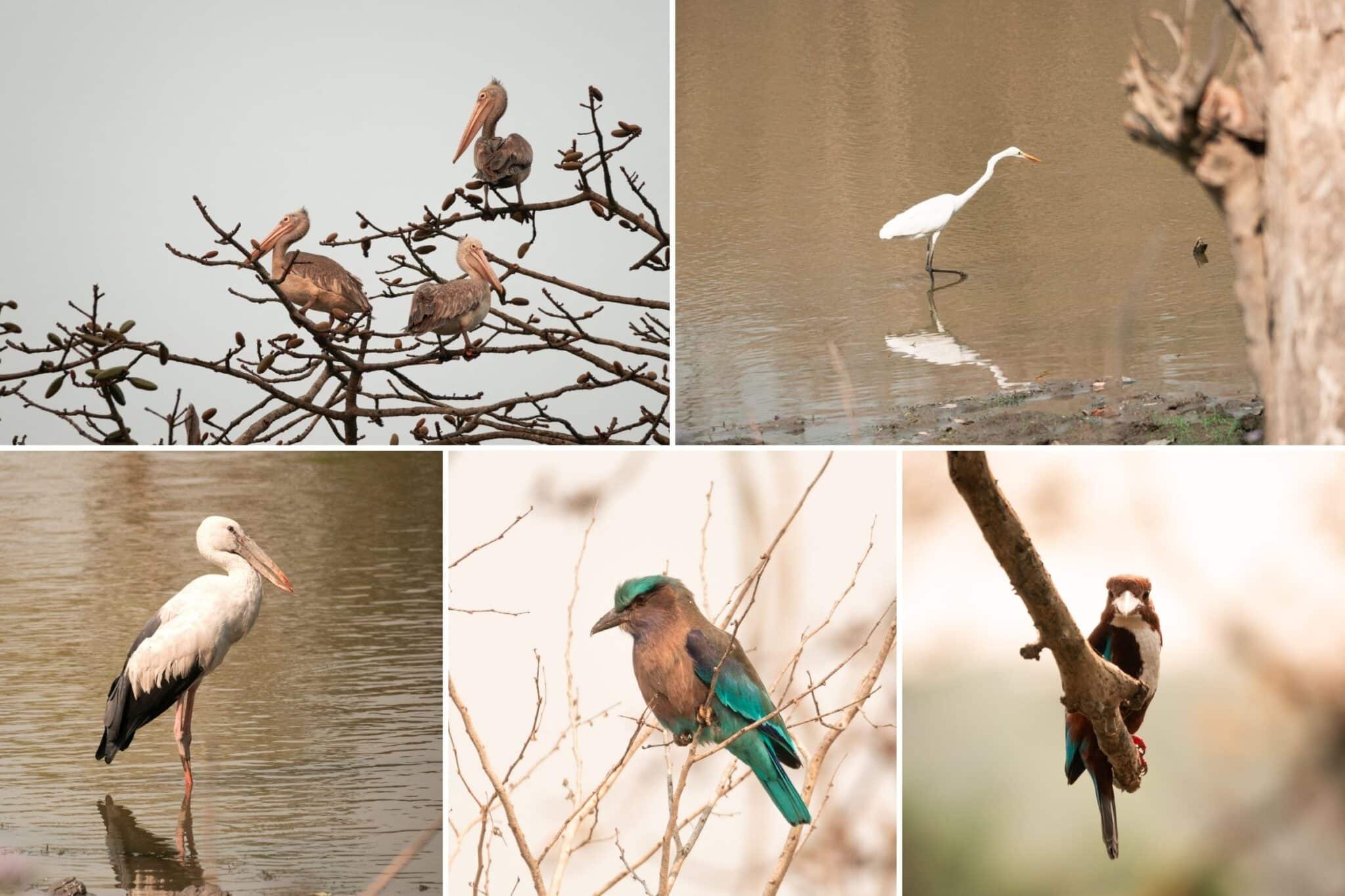
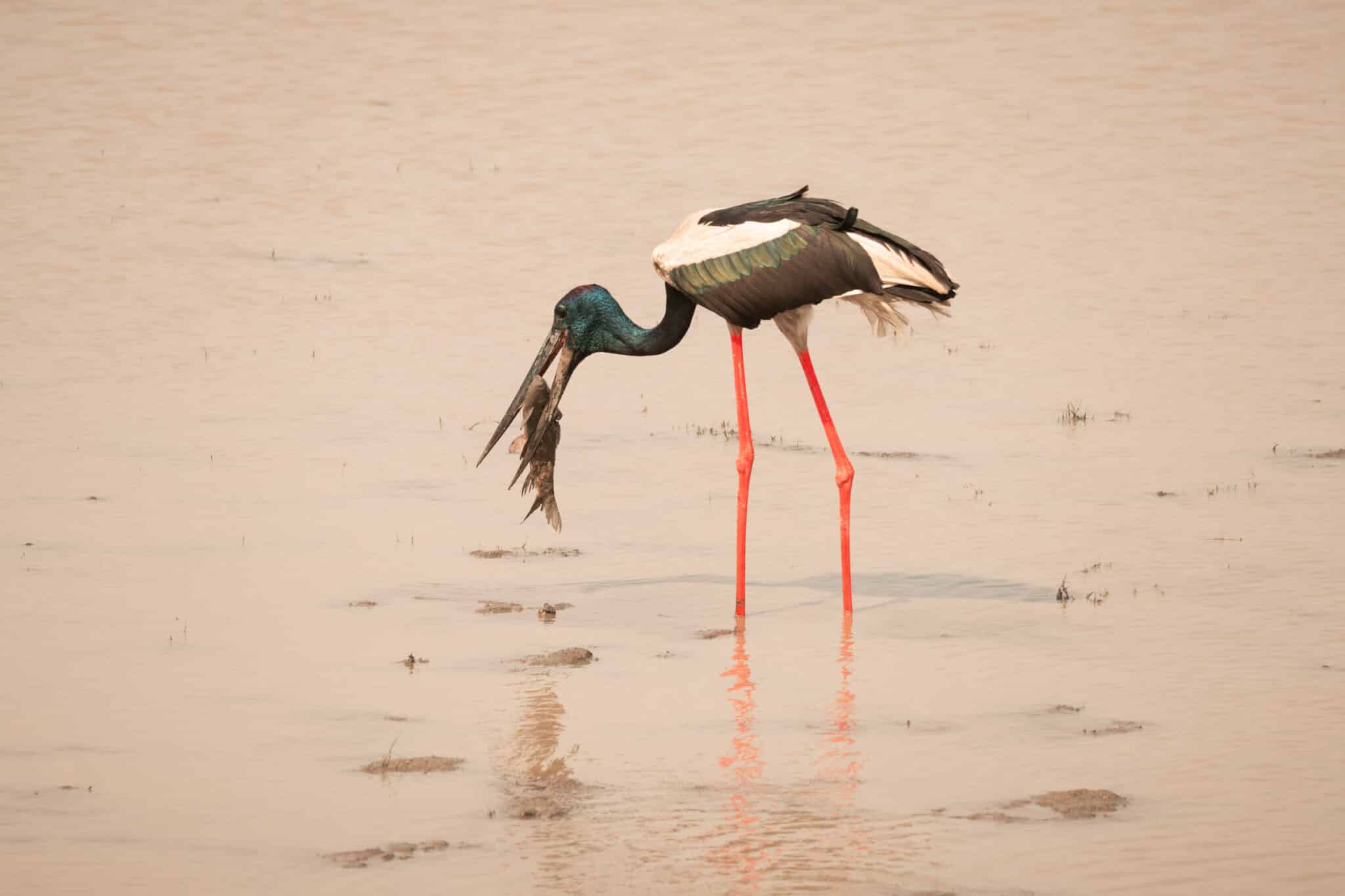
My favorite Kaziranga bird was this Black-necked Stork, who caught and ate a whole fish while we watched!
Reptiles
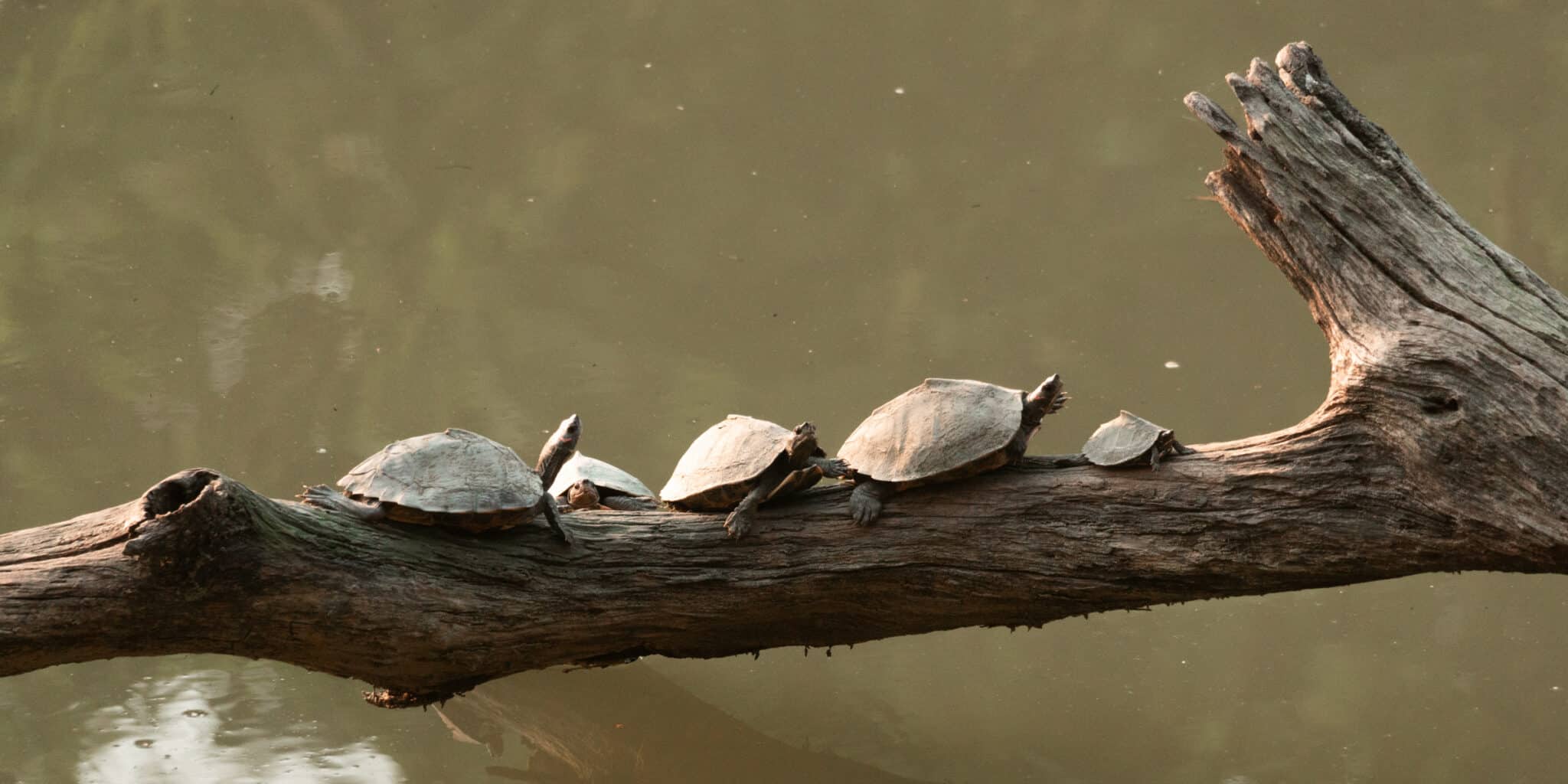
And of course the wildlife goes beyond the furry and feathered friends - there's a whole host of reptiles in Kaziranga National Park as well. One of the highlights is the assortment of turtles, which you can often spot sunbathing on logs or paddling through the shallows. Kaziranga has some of the most unique turtle species in the country, including the endangered Assam roofed turtle.
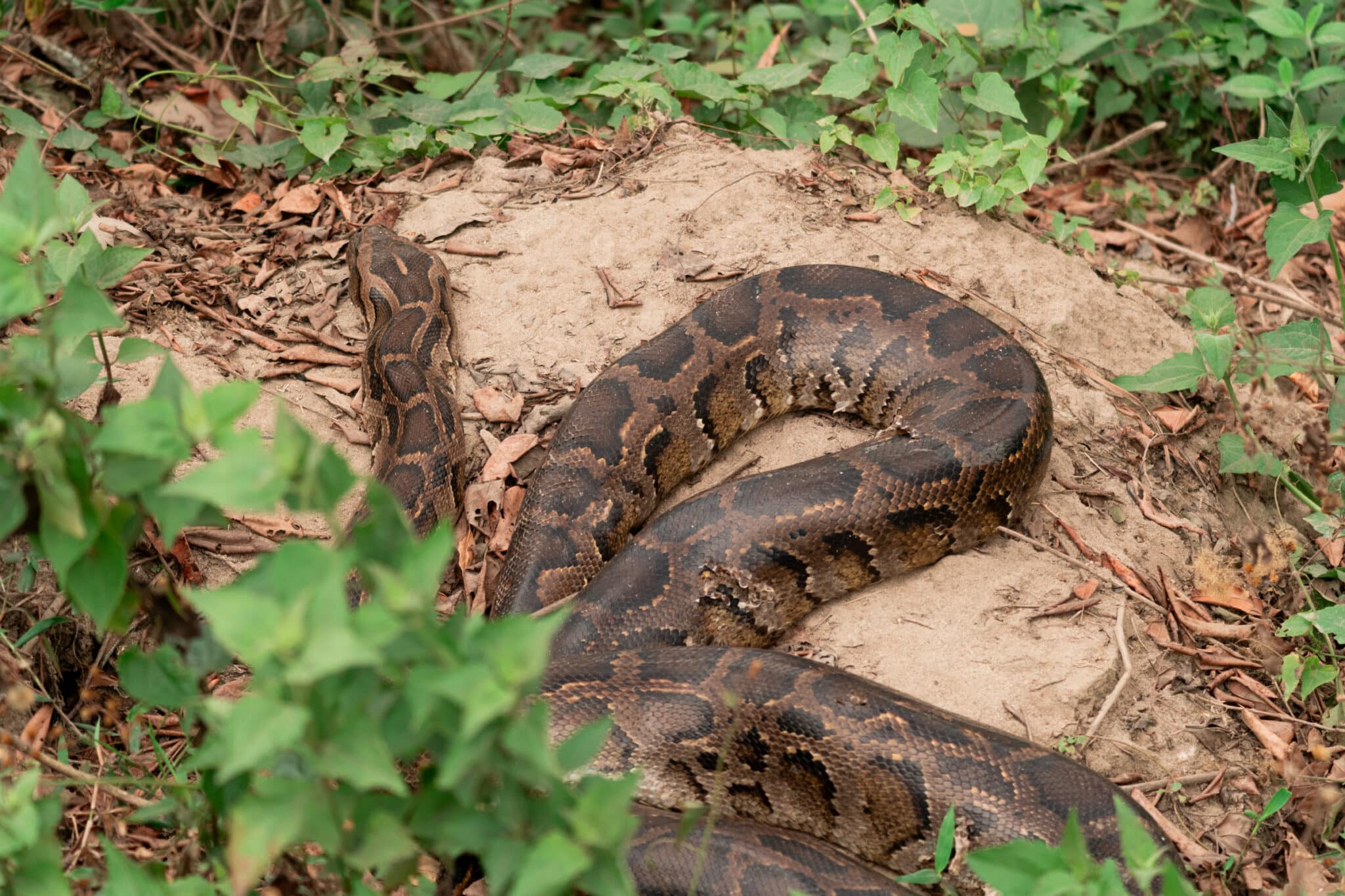
And don't forget the snakes! You might spot a king cobra or an Indian python.
Wild Boar
And of course we can't leave out one of my favorite little friends - the wild boar. These guys aren't shy. You'll see them trotting through the grasslands or darting across the dirt roads. They always seem to be on some urgent mission.
These little guys play an important role in the park ecosystem, rooting around in the soil and helping with seed dispersal. They're omnivores, so they're always snacking on roots, fruits, and insects. And while they are usually not too bothered by visitors, they can do some damage with those tusks if they feel threatened. They may not be the most glamorous animals in Kaziranga - but I think they bring a certain charm
Photography Equipment for Kaziranga
If you're a hobbyist photographer like me, you might find a few tips handy regarding the best equipment!
Now, we encountered a few professional photographers out in the park that came equipped with their 800mm primes (you can gawk at the price tag here) and tripods mounted onto their vehicles and all that jazz. If you're a pro, definitely go for it. But if you own a car-priced lens like the 800mm, then you probably don't need my advice anyway. ;)
But I am more of a serious hobbyist. I have nice equipment, I spend lots of time on my hobby, I care about image quality. But… I'm also on a family vacation. So there is a reasonableness factor to consider. I can only tote around so much weight while also taking care of my child. And my family isn't going to be into staking out a single spot for hours on end to get the perfect shot. We are on the move.
I shoot most often with a Nikon D750 (which is out of produciton, but the D780 is similar) and for this trip I considered bringing that along with my Sigma 150-600 lens. This would actually have been a great length and worked well. But it is also very heavy and difficult for me to hand hold. Airport security in India is also a nightmare, with every single piece of equipment (including every charger and spare battery) having to come out of the bags to be inspected. So…. I opted for a smaller kit.
I chose to bring along my Sony A6300 with a 70-350 lens. Since this is a crop sensor body, it gave me an effective focal range of about 105-525mm. So nearly as long as my Nikon set up. But compact and light enough that I could shove the whole thing in my backpack and still fit it under my airplane seat, and light enough for me to handhold at all lengths.
This worked out pretty well for me, and the only time I wished for more range was when we saw that tiger in the distance. But honestly - the guy with the 800mm prime let me take a peek. And his lens wasn't long enough either. So I wasn't getting that shot anyway. I'm happy with what I packed and would totally recommend the same set up. I think this will be my "wildlife lite" set up for the foreseeable future.
I did not need anything shorter for inside the park, although it would have been convenient to have my 16-50mm f/2.8 for our afternoon of additional sightseeing at the botanical garden and tea gardens.
Camera Fees
You should also note that there are fees for bringing a camera into the park. The websites lists the fee for still cameras at 500 rupees for foreigners (there's a discount for Indian Nationals). But I was only charged 200 rupees, so who knows what they will be charging.
I do wish they would just add a few bucks to the safari prices and call it a day, but India isn't exactly known for bureaucratic efficiency. The fees are small (only amounts to a few US dollars), but you'll need cash to pay them, which is why I mention it here.
There is a higher fee for video cameras…. Note, they do not count your DSLR as a video camera even though they obviously take video. No charge for your smartphone cameras.
A Few More Tips
It probably goes without saying, but he sure to pack along extra batteries and SD cards. This is especially true if you are using a mirrorless camera, as they tend to run through batteries very quickly.
Dust protection. It can get very windy, and it blows up a ton of dust. It can be extremely irritating to your eyes and make it uncomfortable to breathe at times. I strongly recommend taking along a lightweight buff and sunglasses to give you some protection. A lens hood is helpful for not banging your glass against the jeep on bumpy roads, and for keeping some dust off lens.
If you need a tripod for your lens, bring it along. But it's best if you can bring something that can be handheld. Remember, you will be shooting from a vehicle. Alternatives are the flexible tripods that can attach to the jeep bars or bean bags to rest camera on the vehicle. You won't be able to shoot while moving no matter what - this is for use when the car is stopped.
Kaziranga ended up being one of my all-time favorite wildlife experiences - not just for the animals, but for how easy it was to actually enjoy photographing them. You don't need the biggest lens or the most advanced setup. Just get out there, take your time, and see what you find.
And while you're here, be sure to check out my full Kaziranga trip planning guide for additional tips and helpful planning resources.
Leave a Reply